
Sustainability
HANDLING SYSTEM SUSTAINABILITY FRAMEWORK
Purpose Statement
As a trusted partner in the stevedoring business, we are committed to efficiency, safety, and teamwork, delivering reliable solutions while minimizing environmental impact and fostering sustainable growth.
We aim to achieve sustainability goals by reducing greenhouse gas emissions, ensuring workplace safety, improving energy efficiency, enhancing employee engagement, and strengthening data security. These efforts reflect our commitment to environmental responsibility, operational excellence, and stakeholder trust.
Our Interim Sustainability Goals
-
Greenhouse Gas Emission
Reduce operational GHG emissions by 20% by 2030, using 2024 as the baseline, with a milestone of 10% by 2027. -
Occupation Health & Safety
Achieve zero incident rate annually by 2025. -
Energy Management
Achieve a 20% improvement in energy efficiency per unit of output by 2028, with a mid-term milestone of 10% by 2026, through energy audits, technology upgrades, and employee training. -
Employee Engagement
Increase employee engagement scores by 15% by 2028, with an 8% improvement by 2026. -
Data Security
Achieve 100% compliance with ISO 27001 standards by 2030, with 80% compliance by 2027.
Our Corporate Social Responsibility (CSR) programmes
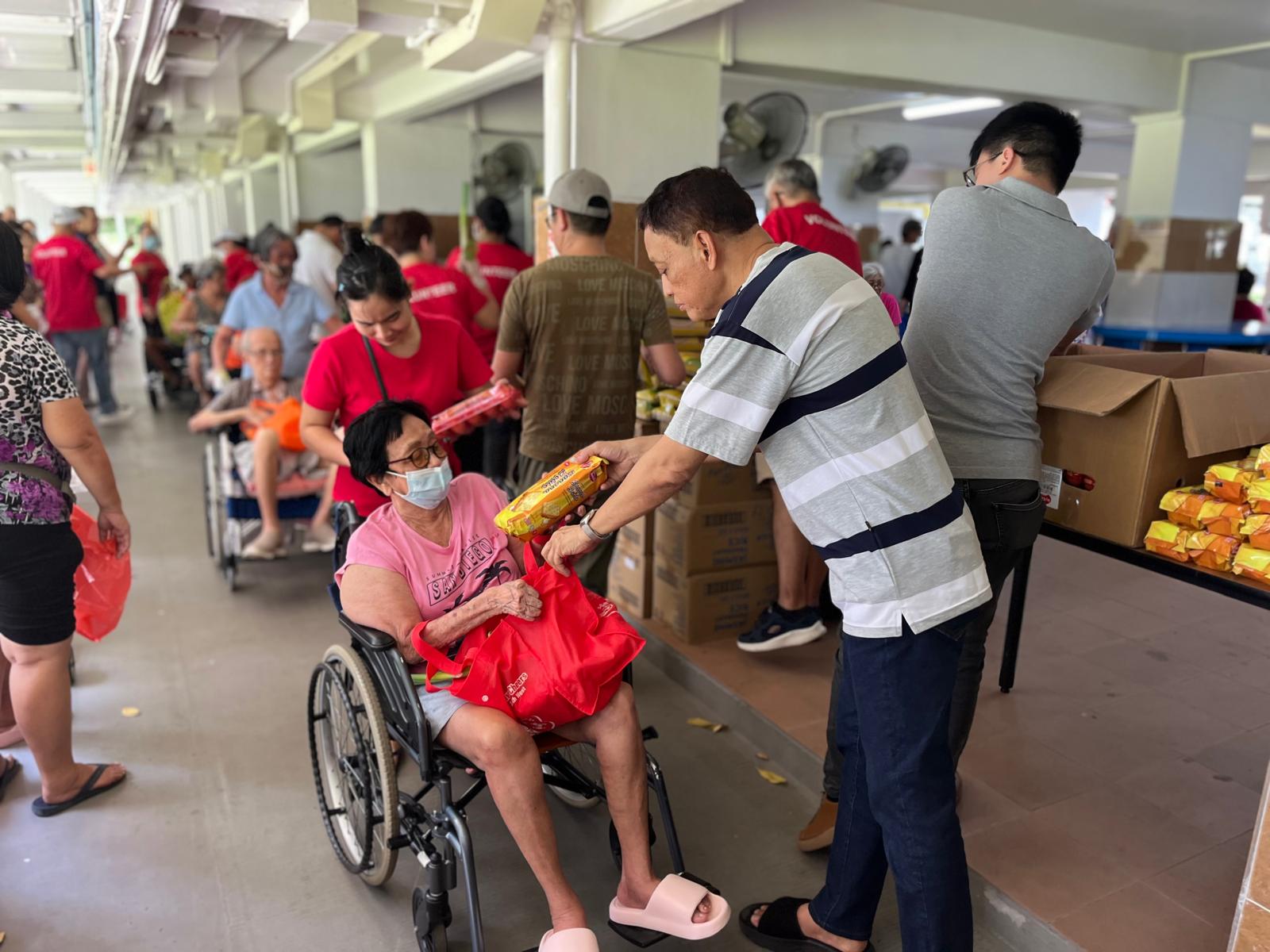
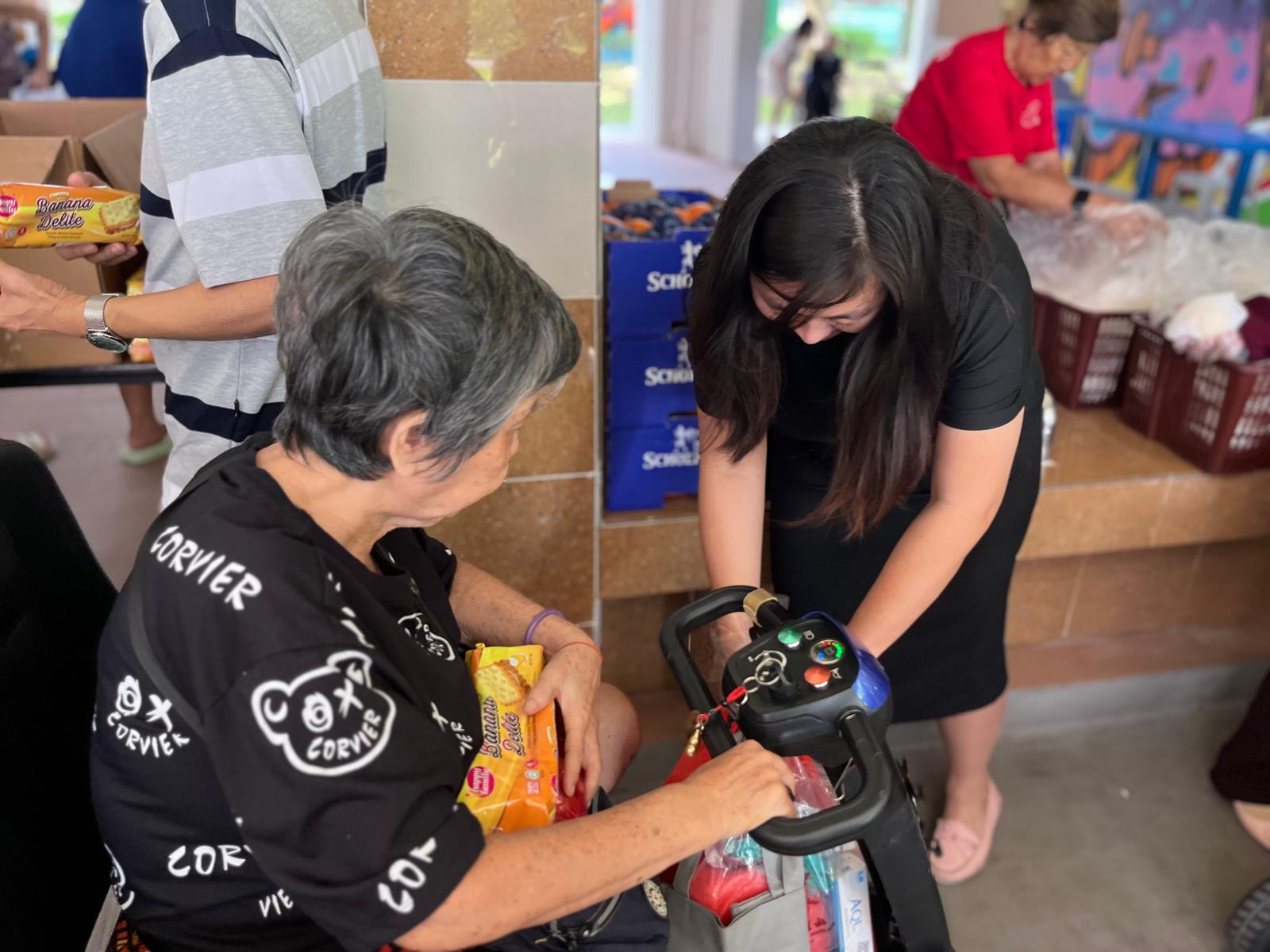
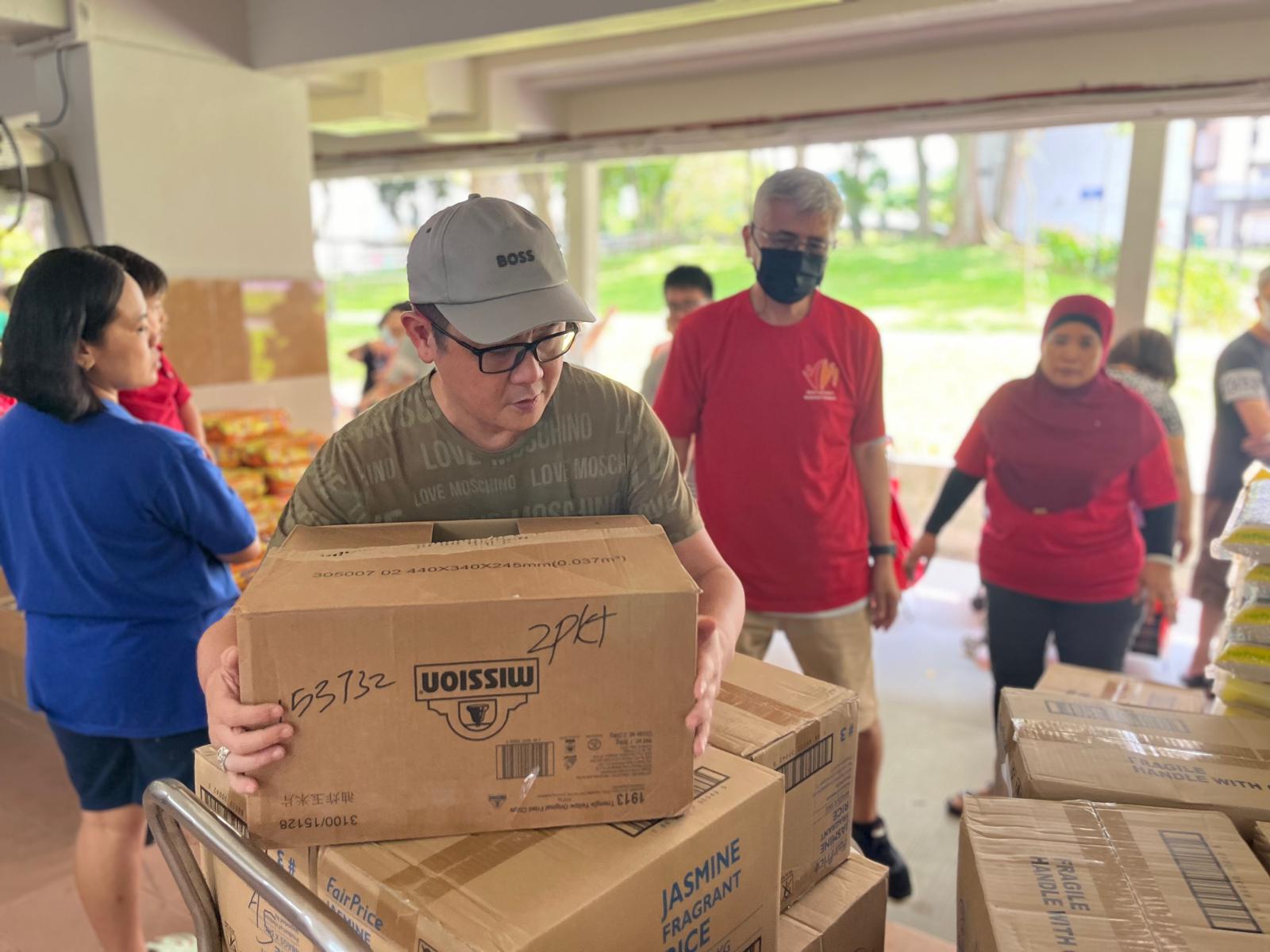
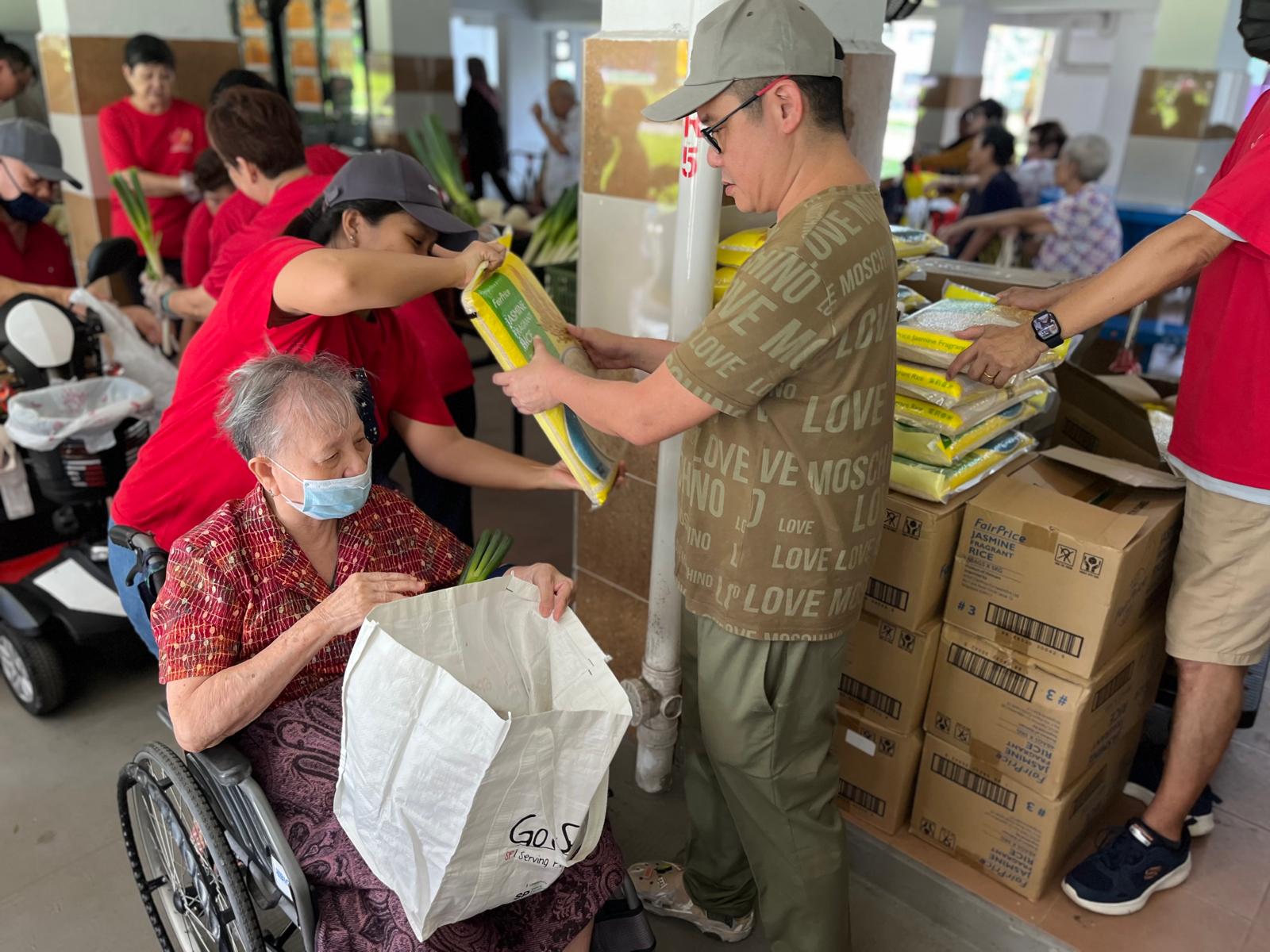
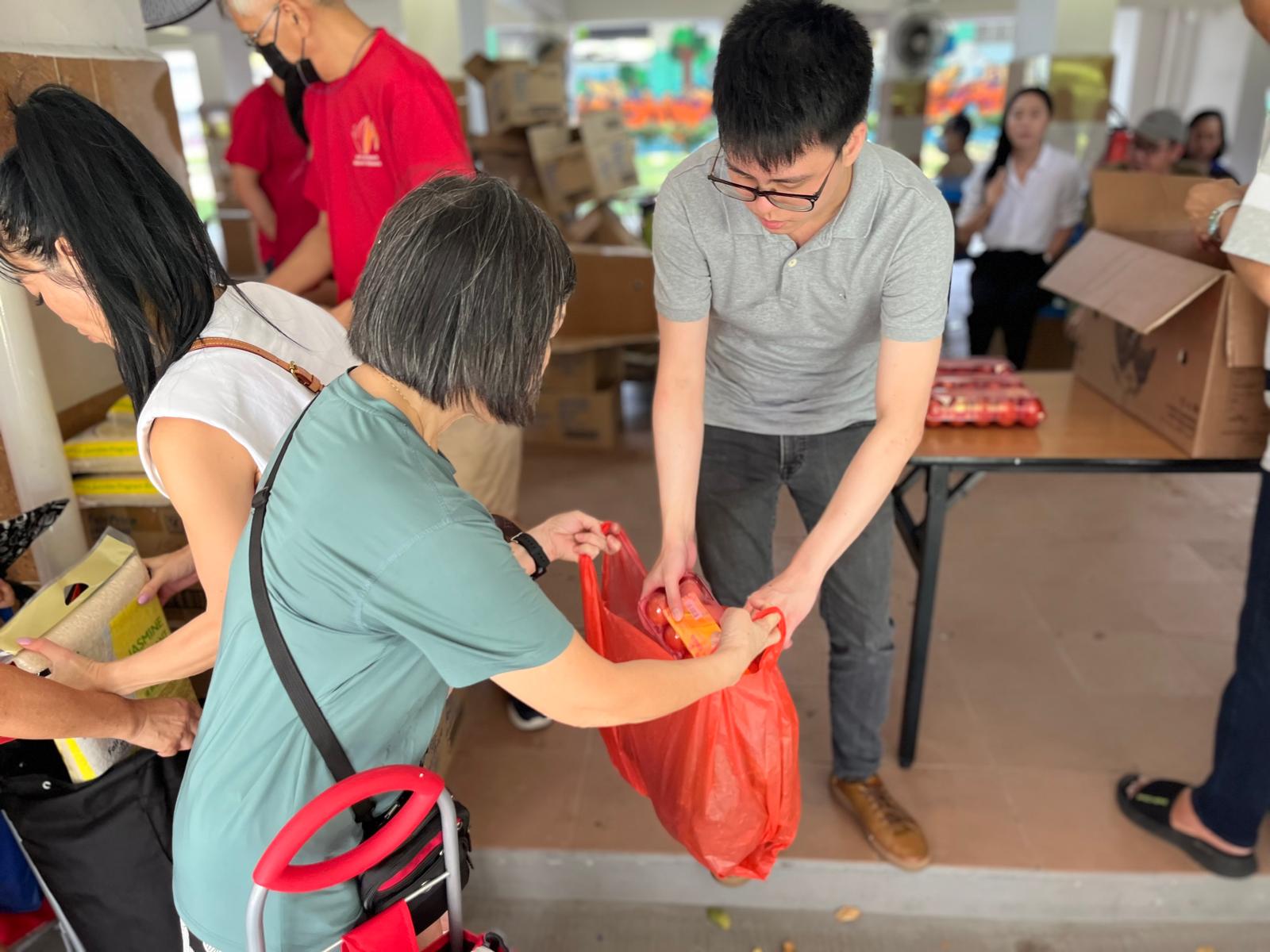
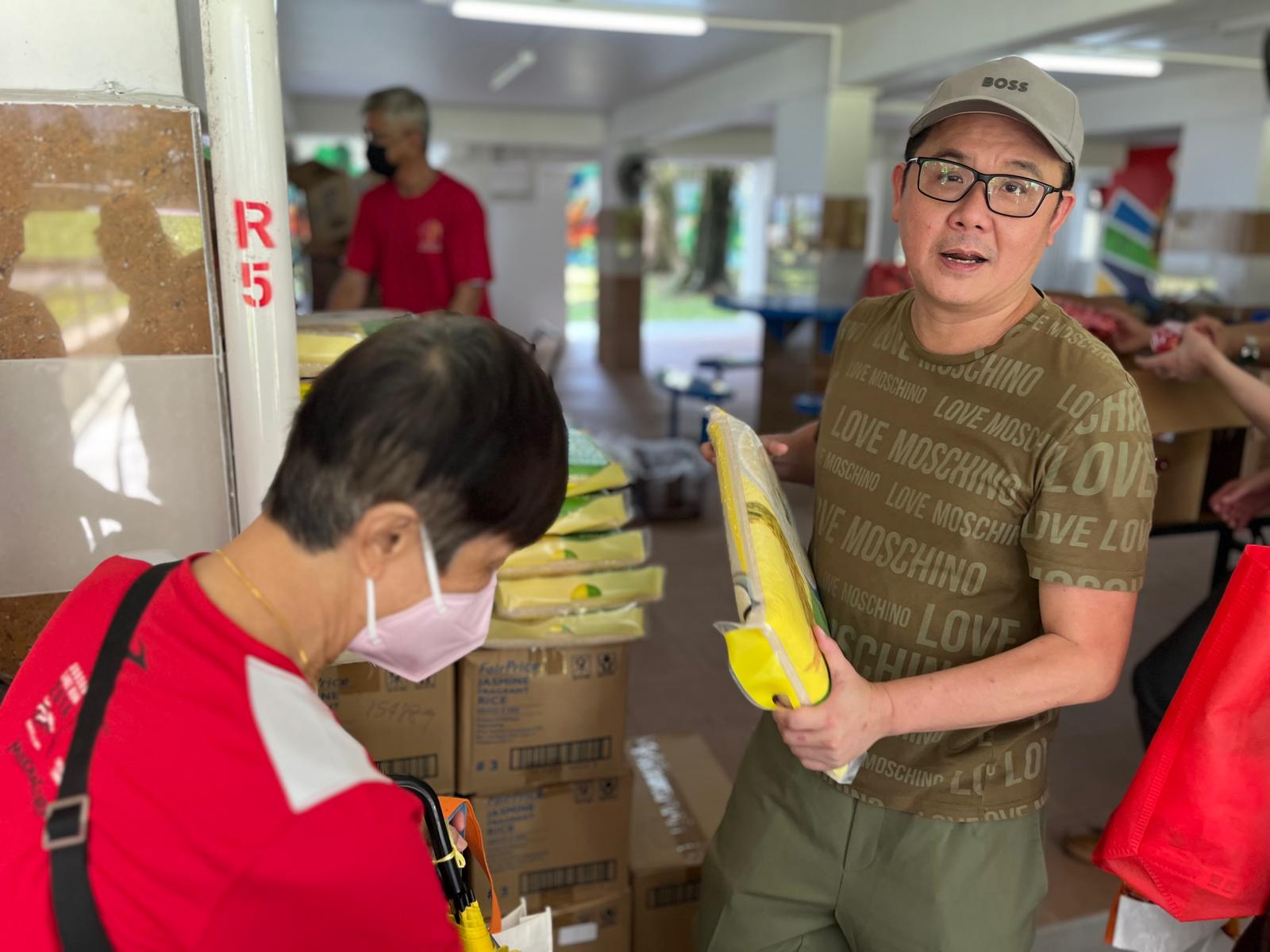
At Handling System Co Pte Ltd, we are dedicated to making a positive impact through our Corporate Social Responsibility (CSR) efforts. Aligned with The Ten Principles of the UN Global Compact, our initiatives focus on sustainability, ethical practices, and community engagement. Notably, we participate in a fortnightly community engagement program, distributing food and necessities to the less fortunate residents living in Boon Lay RC, enhancing the well- being of our community through responsible and transparent operations.
Handling with care , supporting our community.



Handling System Human Rights
We strive to remain true to our core values and business principles. Adhering to rules and ethical compliance is everyone’s responsibility. We seek to maintain transparency and open dialogue, respecting the rights and dignity of all people, and we expect the same from all our partners.
We support and respect the protection of internationally proclaimed human rights and we make sure that we are not complicit in any human rights abuses. Our respect towards human rights is embodied in our Human Rights Principles, Code of Conduct and Partner Code.

Policy Commitment
Our approach to human rights is guided by the UN Guiding Principles on Business and Human Rights (UNGP), which outlines governments’ duty to protect human rights and businesses’ responsibility to respect them. Moreover, it emphasizes the provision of appropriate and effective remedies in cases where human rights are breached.
We uphold the rights outlined in the International Bill of Human Rights and the International Labour Organization’s (ILO) Declaration on Fundamental Principles and Rights at Work. Consistent with the UN Guiding Principles on Business and Human Rights (UNGP), Handling System integrates human rights into its due diligence processes. This includes assessing potential and actual human rights impacts throughout our value chain, with consultations involving relevant stakeholders such as our employees and our partners.
In our human rights impact assessment, we prioritize the professional development of our employees and foster open dialogue with stakeholders. We are dedicated to transparently reporting on our efforts to address and mitigate any impacts on human rights that we may have.
Handling System ensures that all interactions with relevant entities such as governments, regulatory bodies, and public authorities adhere to the human rights principles outlined in this document.
Handling System is dedicated to enhancing its internal understanding of human rights through training and communication. Our goal is to offer human rights training to management and all employees who may encounter human rights issues within our supply chain.
Through training and familiarization with potential risk areas, our employees are more adept at identifying risks and actual impacts during the due diligence process. This enables us to pinpoint situations where violations are most likely to occur.
Certifications
Policies
Sustainability Report (KIV)